Why the ingredient lists conflict
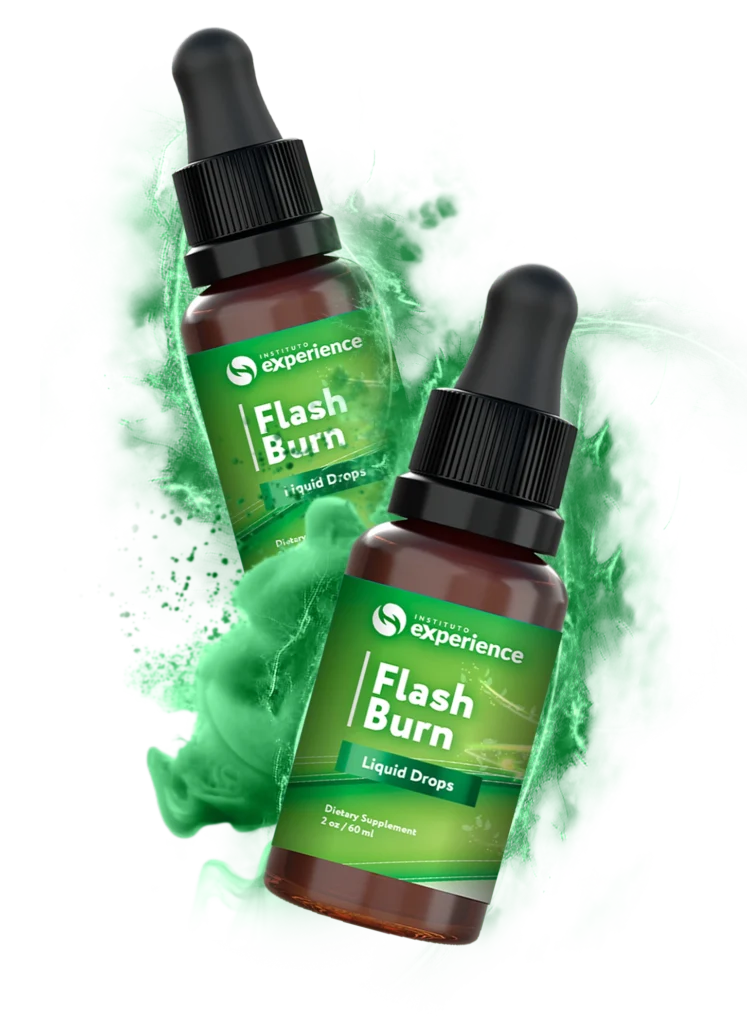
FlashBurn appears across multiple landing pages and branded sites. The direct-response page reviewed for this build emphasizes a small set of “hero” ingredients, while other FlashBurn pages and label-focused reports describe a larger proprietary blend. That could reflect different versions, older pages, funnel-specific copy or inconsistent disclosure. We cannot safely collapse those descriptions into one definitive formula.
Ingredients highlighted on the promotional page
| Ingredient named in marketing | How it is presented | What we can safely conclude |
|---|---|---|
| Bariatric Seed (CSM) | Promoted for fat-burning properties | The page makes the claim; this build does not treat that wording as proof of a finished-product effect. |
| Tulsi / holy basil | Promoted around stress and cravings | Ingredient-level research cannot establish that FlashBurn produces a particular weight outcome. |
| Oleuropein / olive leaf extract | Promoted around bacteria and cardiovascular health | Those broad claims need product-specific evidence before being applied to FlashBurn. |
Ingredients reported on other FlashBurn pages
Other FlashBurn-branded material has listed combinations including chromium, maca, grape seed, guarana, African mango, eleuthero, astragalus, green tea, gymnema, coleus forskohlii, capsicum, grapefruit, ginseng, raspberry ketones, amino acids and L-carnitine. One label-focused report also notes a proprietary blend rather than individual doses for many actives.
That variation is exactly why the physical label on the bottle should outrank any generic “FlashBurn ingredients” article.
Check stimulant sources explicitly
If your bottle contains guarana, green tea extract or another caffeine source, total stimulant exposure can matter—especially if you also use coffee, pre-workout products or stimulant medications. “Natural” caffeine is still caffeine. Check the current label rather than assuming a liquid supplement is stimulant-free.
Ingredient evidence is not product evidence
Some commonly marketed weight-management ingredients have human research; others have weaker, mixed or context-dependent evidence. Even when an ingredient has a study behind it, the result may depend on a particular dose, population and intervention. A proprietary mixture with unknown individual doses cannot be assumed to reproduce those findings.
A five-point label check
- Product name and manufacturer/distributor identity.
- Serving size and servings per container.
- Every active ingredient and its amount where disclosed.
- Other ingredients, allergens and stimulant sources.
- Warnings, storage instructions and lot/expiry information.
Want to see the live FlashBurn checkout?
Use the tracked TSL affiliate link for current bundles, terms and availability.